The science behind Epics®
Every element of the Epics® method — the objects, the structure, and the process — is grounded in research across neuroscience, cognitive psychology, and the science of visual communication. Here is what the science tells us.

We are not built for words alone. We are wired to see, touch, and make sense of things together. Most of what the brain knows never reaches words — it runs beneath the surface, in patterns, images, and feelings that verbal communication alone cannot easily express.
Modern neuroscience confirms it: the brain does not think in sentences. It thinks in images, patterns, and relationships.
Epics® bring together visual thinking, physical interaction, and metaphors to make collaboration more human, more focused, and far more memorable.

Seeing is thinking
Nearly a third of the brain's cortex is devoted to vision, more than to any other sense. When an idea becomes visible, we remember it far longer than words. Epics® turn that strength into a tool, moving teams from the unsaid and complexity to a more holistic and shared understanding.
Embodied thinking, shared experience
Moving, placing, and building with Epics® engages the brain's motor, visual, and sensory networks at once — what researchers call embodied cognition. Speaking is itself embodied: when you pick up an object and explain what it stands for, your brain re-enacts the thing it represents, and that simulation is what helps you find the words. The people listening simulate it too — describe walking on a warm beach and their brains respond as if they were there, feeling the sand between their toes. So the meaning isn't just heard, it's experienced, by the one speaking and by everyone around the table. Give ideas a physical place to live, and the thinking stays with the group.


Two channels, one understanding
The brain processes words and images through two connected systems, and when both are active, memory grows stronger. This effect is known as dual coding: word and image become two routes to the same idea, each reinforcing the other. Epics® put both to work at once — people talk an idea through while shaping it in front of them, so the group hears it and sees it together. With two paths to the same meaning, an idea takes hold faster and stays longer.
Metaphors that mean something
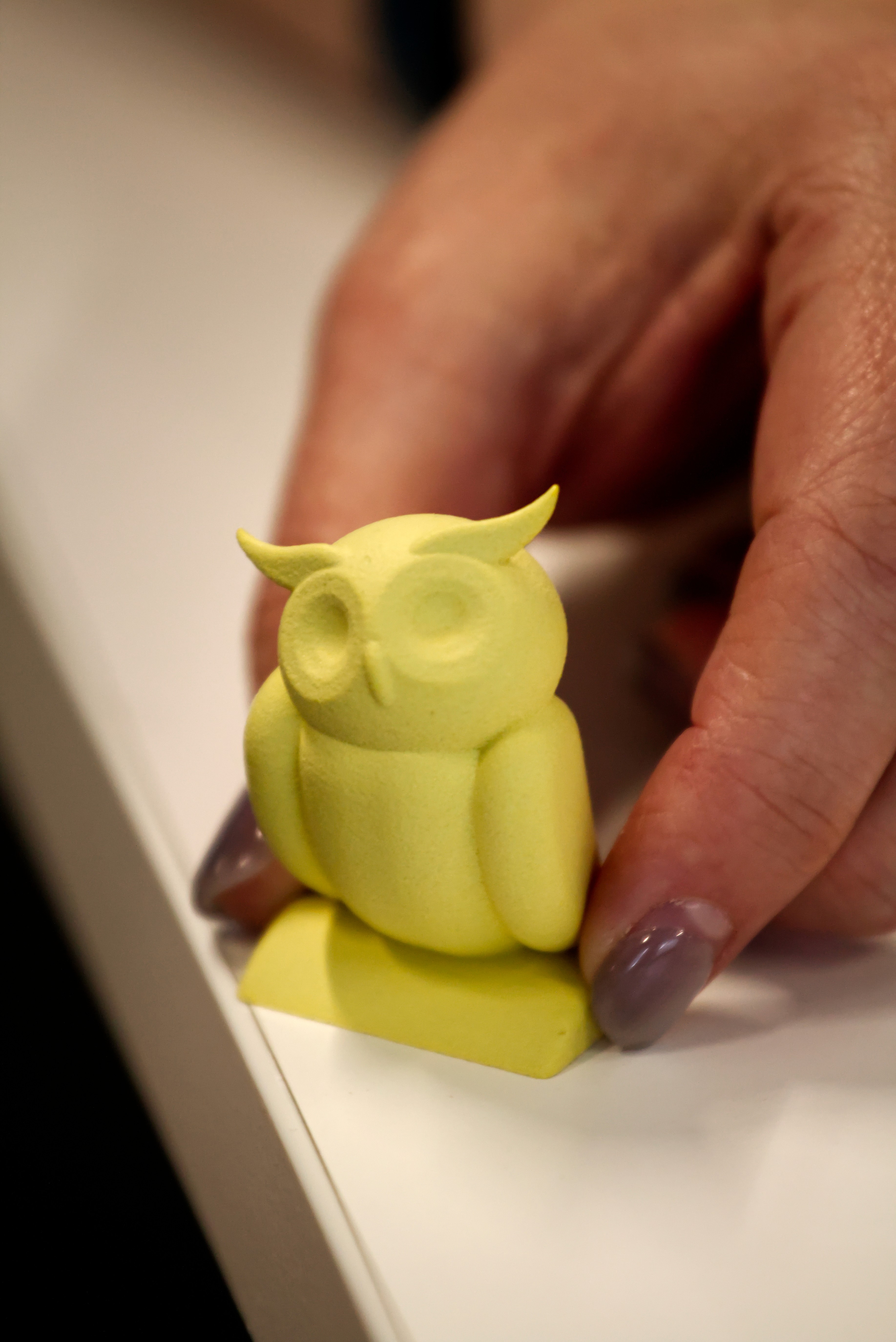
Language is full of metaphors — about one word in every eight — and most of them slip by unnoticed. We grasp an idea, weigh our options, hit a wall, look for a path forward. Far from being just a figure of speech, metaphors are how we make sense of the world. They give shape to things that are hard to grasp. Trust becomes something we can picture. A product's value to a customer becomes a burden lifted, or a light to steer by. A future that doesn't yet exist becomes a place a team can walk into and explore. Handling and arranging objects doesn't just illustrate a metaphor but helps generate it, giving the mind something concrete to think with instead of searching for words alone.

Room to think
Working memory is the small, temporary space that holds what you're actively thinking about, then clears it to make room for more. It keeps only about four pieces of information at once, far too little for the complexity teams face every day. Moving ideas into shared, visible objects, what researchers call cognitive offloading, hands the holding work to the table and frees the mind for reasoning and creativity. When a team builds with Epics®, their thinking takes shape on the table, where it can be refined, rearranged, and agreed on.
Safe to speak
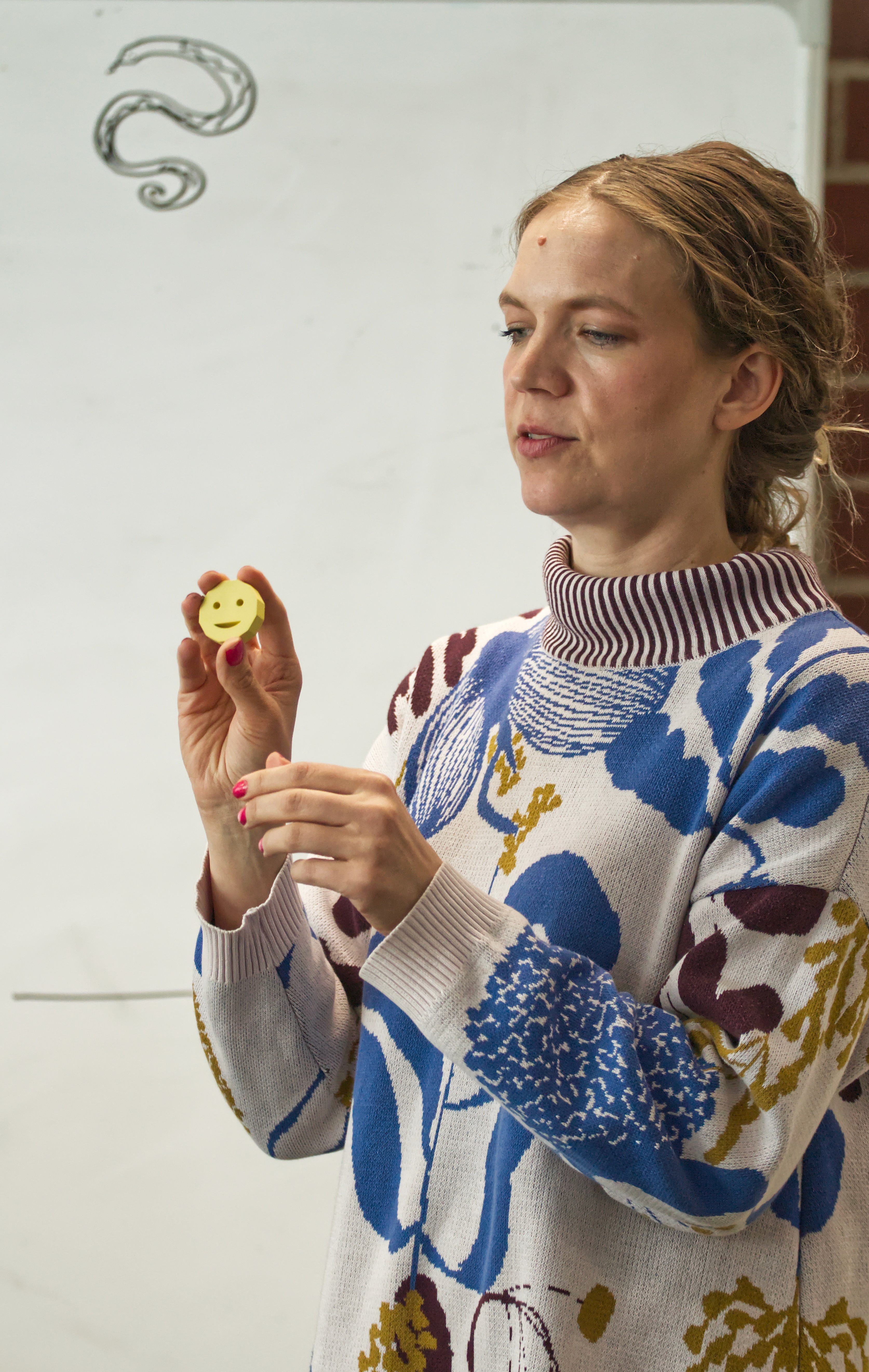
Epics® shift attention from the speaker to the shared object. That lowers social pressure and makes room for openness: anyone can contribute, regardless of role or confidence. When people share a physical point of focus, neural activity begins to align across the group — a phenomenon known as inter-brain synchrony that grows stronger the more a group understands one another, and that underpins alignment, empathy, and trust.
Visual communication
Epics® are metaphorical figures: instantly recognisable, yet open to interpretation. Because they don't fix a single meaning, they invite each person to give them one. They act as thought anchors the whole group can see, point to, and build on.
Cognitive neuroscience
Embodied, multi-sensory engagement deepens understanding and memory. Sight, touch, and movement work together. And when thinking becomes visible and shared, the group begins to think collectively.
Facilitation & psychology
Intentional facilitation and experiential, action-based methods open up dialogue by lowering the threshold for speaking up and creating the psychological safety that real thinking requires.
Research validation
Multiple studies confirm the value of visual, metaphor-rich objects in collaborative work: stronger joint attention, expanded working memory, and cognitive synchronisation across the group.
(Barsalou, 2008; Gustafsson 2023; Illi, Gustafsson, & Masoodian 2024; Saarnio 2024)